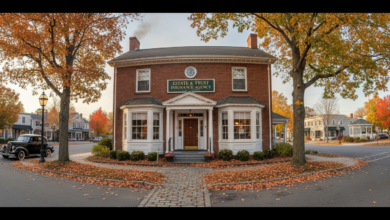
Navigating Home and Auto Insurance in Massachusetts: A Comprehensive Guide to Protecting Your Bay State Assets

Living in Massachusetts offers a unique blend of historical charm, vibrant urban centers, and stunning coastal landscapes. From the bustling streets of Boston to the serene hills of the Berkshires, being a resident of the Bay State comes with plenty of perks. However, it also comes with specific responsibilities, particularly when it comes to protecting your most valuable assets: your home and your vehicle. Navigating the world of home and auto insurance in Massachusetts can feel a bit like driving through a rotary for the first time—a little confusing, but once you know the rules, it is a smooth ride.
In this guide, we will dive deep into the nuances of Massachusetts insurance laws, explore how to find the best coverage, and discuss why bundling your policies is often the smartest financial move you can make.






Understanding the Massachusetts Auto Insurance Landscape
Massachusetts is unique when it comes to auto insurance. Unlike many other states, Massachusetts operates under a “no-fault” system. This means that if you are involved in a minor accident, your own insurance provider typically pays for your medical expenses and lost wages, regardless of who caused the collision. This is covered under Personal Injury Protection (PIP).
In the Bay State, there are four compulsory coverages that every driver must have by law:
1. Bodily Injury to Others: Minimum $20,000 per person / $40,000 per accident.
2. Personal Injury Protection (PIP): Minimum $8,000 per person.
3. Bodily Injury Caused by an Uninsured Auto: Minimum $20,000 per person / $40,000 per accident.
4. Damage to Someone Else’s Property: Minimum $5,000.
While these are the legal minimums, most experts suggest opting for higher limits. Massachusetts is a litigious state, and repair costs for modern vehicles are sky-high. If you cause an accident that totals a luxury SUV, that $5,000 property damage limit will vanish in an instant, leaving you personally liable for the rest.
Homeowners Insurance in the Bay State: From the Cape to the Berkshires
Whether you own a historic colonial in Salem or a modern condo in the Seaport, your home is likely your largest investment. Homeowners insurance in Massachusetts (typically an HO-3 policy) covers your dwelling, personal property, and liability.
However, Massachusetts homeowners face specific environmental risks. For those living on the North or South Shore, wind and hail damage from Nor’easters are common concerns. It is important to note that standard policies do not cover flood damage. If you live in a flood-prone area, you will need a separate policy through the National Flood Insurance Program (NFIP) or a private insurer.
Another factor to consider is replacement cost vs. actual cash value. In Massachusetts, where many homes are over 100 years old, the cost to rebuild with historically accurate materials can far exceed the market value of the home. Always ensure your policy is set to ‘Replacement Cost’ to avoid a financial nightmare after a total loss.

The Power of Bundling: Why One + One = Less
One of the most effective strategies for saving money in the Massachusetts insurance market is “bundling.” This is simply the practice of purchasing both your home and auto insurance from the same provider. Most major carriers like Liberty Mutual, MAPFRE, and Travelers offer significant “multi-policy” discounts.
Why do they do this? It is simple: customer retention. If you have two or three policies with one company, you are less likely to switch. In exchange for your loyalty, insurers often shave 10% to 25% off your total premiums. Beyond the financial savings, bundling simplifies your life. You have one login, one agent to call, and often, a synchronized renewal date.
Factors That Influence Your Rates in Massachusetts
Insurance companies use complex algorithms to determine your risk profile. In Massachusetts, several factors weigh heavily on your premiums:
- Your Location: Living in a high-traffic area like Dorchester or Chelsea will result in higher auto premiums than living in a quiet town like Amherst. Similarly, proximity to the coast affects home insurance rates due to hurricane risk.
- The Merit Rating Board (MRB): Massachusetts keeps a close eye on your driving record. Points on your license from speeding tickets or at-fault accidents will stay with you for years, significantly increasing your auto rates.
- Credit Score: While some states have banned the use of credit scores in insurance pricing, Massachusetts currently allows it to be a factor for homeowners insurance (though not for auto insurance rating in the same way some other states do).
- The Age of Your Home: Older homes often have outdated electrical or plumbing systems, which can lead to higher premiums unless they have been recently modernized.
- Anti-Theft Devices: Installing a LoJack or a high-end security system in your car can lower your comprehensive coverage costs.
- Smart Home Technology: Smoke detectors, water leak sensors, and burglar alarms can trigger discounts on your homeowners policy.
- Low Mileage: If you take the MBTA to work and your car stays in the garage, let your insurer know. Many companies offer discounts for drivers who clock fewer than 5,000 or 7,500 miles a year.
- Education and Professional Discounts: Some insurers offer niche discounts for alumni of certain universities or members of specific professional organizations.
How to Score Discounts
Beyond bundling, there are several ways to lower your costs in the Bay State:
Choosing the Right Agent
In Massachusetts, you have the choice between “captive” agents (who work for one company, like State Farm) and “independent” agents (who represent multiple carriers). For most residents, an independent agent is the way to go. They can shop your profile across ten or more different companies to find the best price-to-coverage ratio.
Insurance is not just about the lowest price; it is about the claims experience. You want a company that will be there at 2:00 AM when a pipe bursts or when you have a fender bender on I-93.
Conclusion
Managing your home and auto insurance in Massachusetts doesn’t have to be a headache. By understanding the state’s specific requirements, protecting yourself against regional weather patterns, and taking advantage of bundling discounts, you can secure peace of mind without overpaying. Take the time once a year to review your policies with a professional. As the landscape changes and your life evolves, your insurance should evolve with you. After all, protecting your piece of the Bay State is well worth the effort.